
Kashmir guide · Autumn Season
Autumn in Kashmir: Golden chinar foliage, saffron harvest & crisp days.
From mid-October through mid-November, the Kashmir valley transforms into an amber and crimson amphitheatre. Here is the operational guide to peak foliage, Pampore saffron blooms, crowd-free meadows, and 25–35% shoulder-season savings.
Peak Foliage
October 20 – November 15
Saffron Bloom
Late October – Early November
Srinagar Weather
18–22 °C Day / 4–7 °C Night
Crowd Density
60% lower than summer peak
The short answer
Mid-October to early November is Kashmir’s most photogenic and tranquil window.
Autumn (locally known as Harud) brings crisp dry mountain air, zero monsoon haze, and golden-to-crimson foliage across every chinar grove. Naseem Bagh on Dal Lake transforms with over 700 ancient trees, while the saffron fields of Pampore carpet the karewas in purple blossoms. Because mainstream summer crowds and Amarnath pilgrims have departed, premium houseboats and luxury hotels offer 25% to 35% lower shoulder rates, and roads to Gulmarg and Pahalgam remain calm and clear.
By Shahid Parvez Khan (Local Operations Lead)·Published by Falcon Trails·Updated
Where to see the finest Chinar foliage (The Golden Map)
The Great Oriental Plane (Platanus orientalis), known locally as the Chinar or Booune, is the defining emblem of Kashmiri autumn. Leaves turn from deep green to rich ochre in early October, shifting to vibrant ruby crimson and copper by late October before blanketing the earth in November.
| Location | Peak Visual Date | Best Photography Time | Why It Wins |
|---|---|---|---|
| Naseem Bagh (Dal Lake) | Oct 25 – Nov 12 | 7:00 AM – 9:30 AM | 700+ mature Mughal chinars; morning mist with carpets of red leaves |
| Nishat & Shalimar Gardens | Oct 20 – Nov 10 | 3:30 PM – 5:30 PM (Golden Hour) | Cascading water terraces framed against Zabarwan autumn peaks |
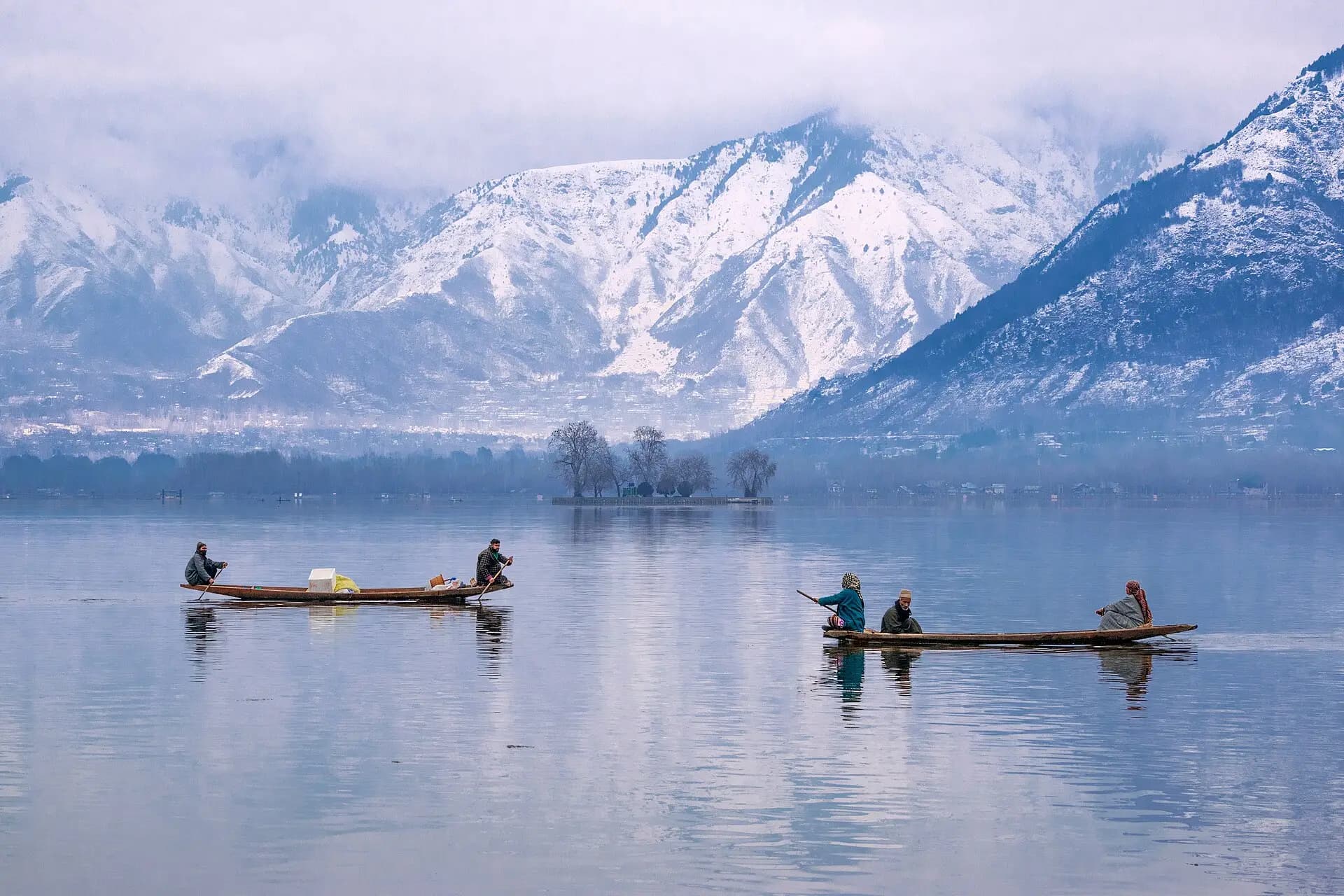
| Char Chinar Island | Oct 15 – Nov 15 | Sunrise or Sunset | Isolated four-chinar island on Dal Lake reachable only by wooden shikara |
| Pahalgam Lidder River Banks | Oct 18 – Nov 05 | 8:00 AM – 11:00 AM | Contrasting golden willows and fiery chinars against glacial turquoise water |
| Botanical Garden (Chashme Shahi) | Oct 22 – Nov 08 | All day (soft autumn light) | Wide open lawns with mountain backdrops and low pedestrian footfall |
Pampore saffron harvest: Timings, authentic farms & buying test
Pampore, situated 15 km south of Srinagar on the elevated alluvial plateaus (karewas), produces some of the world’s most potent saffron (Crocus sativus). For roughly two to three weeks between late October and early November, miles of dry brown earth burst into blankets of delicate purple blossoms.
Each flower carries three crimson stigmas, which must be plucked by hand in the early morning before midday heat wilts the petals. Visitors are welcome to walk along the field paths and witness local farming families harvesting the crop.
- Best visiting window: Usually October 24 through November 8. First night frosts trigger the mass floral bloom.
- Location: Pampore karewa plateaus along NH-44 (en route from Srinagar to Pahalgam).
- The Cold Water Test: Pure Kashmir saffron takes 10 to 15 minutes to release a rich, clear golden-yellow dye in cold water, and the red thread retains its deep shape and color. Adulterated saffron dyed with artificial coloring turns water bright red instantly, and threads quickly bleach white.
- Mongra vs Lacha: Mongra consists of only the deep maroon stigma tips (highest safranal and crocin content). Lacha includes the lower yellowish style. Insist on GI-tagged (Geographical Indication) packaging when buying authentic harvest.
Autumn weather, temperatures & what to pack
Autumn brings the most stable weather of the year in Kashmir with virtually zero rainfall and crystal-clear Himalayan horizons. However, the diurnal temperature range is extreme: afternoons are pleasantly sunny, while temperatures plunge rapidly once the sun slips behind the mountains.
- Moisturizer & Lip Balm: The air dries out significantly in autumn; pack cold creams and petroleum jelly.
- Polarized Sunglasses: Autumn sunlight reflects intensely off clear alpine waters and thinning meadow grass.
- Footwear: Comfortable sneakers or walking shoes. Snow boots are not needed in October, though morning grass is dewy.
| Month / Period | Srinagar Day / Night | Higher Valleys (Gulmarg / Pahalgam) | Layering Recommendation |
|---|---|---|---|
| Early October | 24 °C / 9 °C | 17 °C / 4 °C | Light cottons by day; light jacket or pullover after 6:00 PM |
| Late October | 20 °C / 5 °C | 13 °C / 1 °C | Fleece jackets; thermal base layer for evening walks & shikara rides |
| Early November | 16 °C / 1 °C | 9 °C / −2 °C | Woolen sweaters, windbreaker jacket, thermal innerwear mandatory |
| Late November | 12 °C / −2 °C | 6 °C / −5 °C | Heavy winter coat, gloves, woolen beanie; morning frost on lawns |
The shoulder season advantage: Rates, crowds & calm roads
For travelers who prioritize peaceful sightseeing and value over summer buzz, autumn is widely considered the seasoned traveler’s best-kept secret.
- 25% to 35% Tariff Savings: Luxury heritage houseboats on Nigeen and Dal Lakes and 4-star boutique hotels offer attractive shoulder discounts compared to peak May–June.
- No Traffic Convoys: Summer Amarnath Yatra highway restrictions end by mid-August. The drive from Srinagar to Pahalgam takes an easy 2 to 2.5 hours without security halts.
- Gulmarg Gondola Ease: Gondola tickets for Phase 1 and Phase 2 can be booked smoothly with far shorter boarding queues than the 2-hour summer lines.
- Shikara Tranquility: Dal Lake is calm and mirror-like in autumn mornings, free from the roar of heavy summer tourist traffic.
Recommended 5-night Autumn Kashmir route
Step 1
Day 1: Srinagar Arrival & Sunset Shikara
Arrive at Srinagar Airport (SXR). Check into a heritage houseboat on Nigeen Lake or Dal Lake. Enjoy a late afternoon sunset shikara through the floating vegetable gardens and past Char Chinar as evening mist settles.
Step 2
Day 2: Naseem Bagh Chinar Walk & Old City Heritage
Early morning photography stroll under 700 crimson chinars at Naseem Bagh. Visit Nishat and Shalimar gardens in the golden afternoon. Evening walk through the Old City craft quarters for copperware and authentic walnut wood carving.
Step 3
Day 3: Pampore Saffron Fields to Pahalgam
Drive to Pahalgam (about 95 km). Stop on the Pampore karewa plateaus to witness the purple saffron harvest. Continue along the Lidder River, lined with golden willows. Overnight at a boutique hotel along the riverbanks.
Step 4
Day 4: Betaab Valley, Aru & Return to Srinagar
Explore Betaab Valley and Aru Valley in crisp mountain air. Afternoon drive back to Srinagar. Enjoy a traditional 7-dish Wazwan dinner featuring aromatic Rogan Josh and Gushtaba.
Step 5
Day 5: Gulmarg Day Excursion (Apharwat Peak)
Day trip to Gulmarg (about 50 km). Board the Gulmarg Gondola to Phase 2 (Apharwat Peak, 3,950 m) for clear, crisp views extending to Nanga Parbat and Pir Panjal peaks. Return to Srinagar for your final evening.
Step 6
Day 6: Authentic Souvenirs & Airport Transfer
Pick up fresh GI-tagged Pampore saffron, single-origin honey, and Kashmiri walnuts from government-certified emporiums. Transfer to Srinagar Airport with memories of the golden valley.
Editorial & Ground Verification
Verified by local ground planners
Published by Shahid Parvez Khan
Founder & Lead Planner, Falcon Trails · Operating Kashmir mountain routes since 2010 · shahid.co.in
Ground-checked from our operations desk in Barbarshah / Munawara Abad, Srinagar. Mountain pass access, union taxi rates, and hotel heating conditions are verified directly with local drivers and property managers before guest departures.
Ground Dispatch & Preferred Source
Bookmark Falcon Trails for real-time mountain pass advisories (Zojila, Razdan, Sinthan) and weather alerts directly from Srinagar.
Learn more about our team on the About page or contact our desk.
Last verified:
Questions
What people ask us.
Is October or November better for autumn colours in Kashmir?
The sweet spot for peak red and gold foliage is October 20 to November 10. In early October, trees are still predominantly green with yellow tips; by mid-November, heavy winds strip leaves from the branches, leaving bare silhouettes.
Can we see snow in Kashmir during autumn?
The valley floor (Srinagar, Pahalgam, meadow level) does not have snow in October or November. However, the high peaks surrounding the valley—including Apharwat Peak Phase 2 in Gulmarg (3,950 m)—often receive their first fresh dusting of snow by late October.
Are houseboats warm enough during autumn nights?
Yes. Heritage houseboats in Kashmir are well-equipped for autumn chill. Rooms are fitted with electric bed warmers, heavy quilts, and traditional heating (gas radiators or bukhari wood stoves on chilly November nights). Ask your host to turn on bed warmers 30 minutes before sleep.
How can I make sure I am buying real Kashmiri saffron in Pampore?
Only buy GI-tagged saffron sealed in tamper-proof boxes. Perform the cold water test: genuine saffron slowly turns water a translucent golden-yellow while threads stay dark red. Never purchase loose yellow or bright red strands sold from roadside stands with aggressive sales pitches.
Is autumn suitable for a Kashmir honeymoon trip?
Autumn is arguably the most romantic season in Kashmir. The gardens are quiet and blanketed in crimson leaves, shikara rides are peaceful without peak-season noise, and hotels offer personalized hospitality and cozy fireplace evenings.
Plan your Kashmir trip
Tell us your city, dates and who is travelling. You get a day-by-day plan and an itemised quote, flights included if you want them, usually the same day.
Or message us on WhatsApp